
How to Get Your Fulldome Film into Planetariums
Most producers approach me after the film is finished. That can be a mistake.
DISTRIBUTION
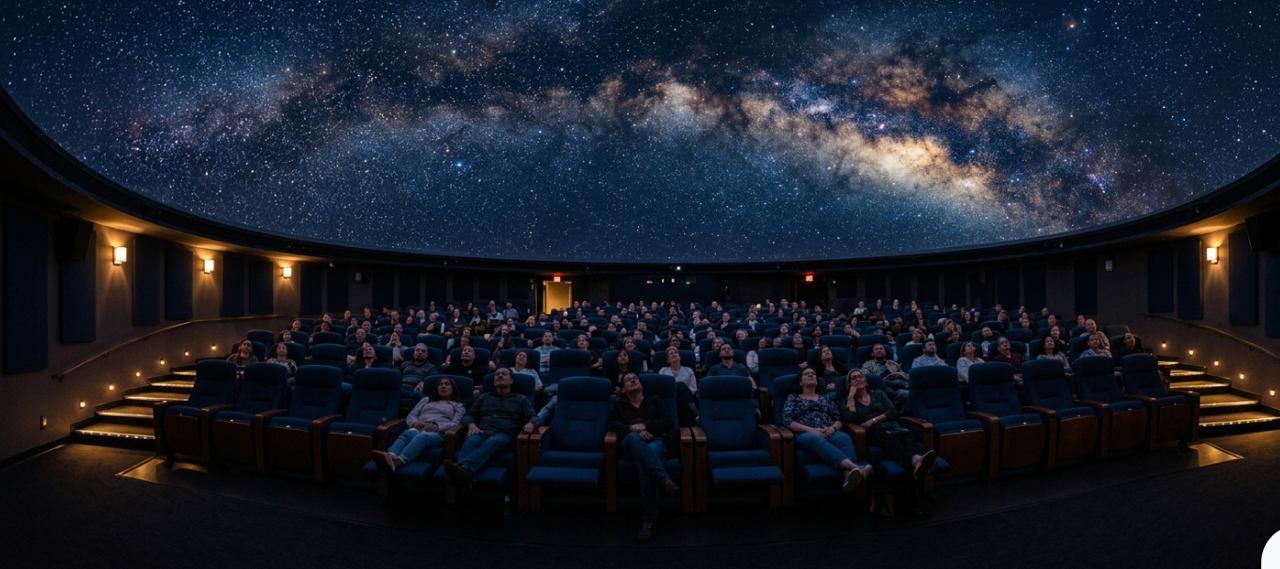
Getting a fulldome show into planetariums starts long before post-production. The producers who do this well have thought about the market from day one. They know where the gap is, who programmes for these venues and what kind of content gets licensed year after year. Some of the ones that struggle are the ones who make the film first and think about distribution second.
Know your market before you start
There are over 5,000 planetariums in the world and all have different programming. Some run exclusively educational content for schools. Others programme for general family audiences at weekends. The dome size matters too. A portable inflatable holds around 30 people. The largest fixed domes seat 300 plus. Content that works beautifully in one venue can feel completely wrong in another.
Before committing to a production, understand which venues your show is built for and how far ahead they are working on their programming. That research is worth doing early and will save months of uncertainty later.
Routes into planetariums
Direct distribution means going straight to individual venues. It takes time but gives full control over pricing and terms. I have built a global database of planetarium contacts over 25 years and have done a great deal of direct distribution myself.
Specialist distributors operate in most countries and have established relationships with venues in their region. The right distributor can open doors that would take years to build independently. The trade-off is a percentage of the licensing fee and, depending on the agreement, some degree of control over how the show is sold.
Targeted marketing to venues is the third route. Planetarium programmers do not browse. They find new content because someone put it in front of them at events like FDUK, Dome Fest West, or other events or through an online resource.
What you need before approaching anyone
Before approaching anyone, make sure the basic marketing materials are in place: a trailer, stills, a poster, education materials and a time-coded script for venues wanting their own language version. Having these ready before you start conversations makes a significant difference.
One question worth asking early
Is this an evergreen show or a topical one? An evergreen title built around timeless themes has a long licensing life and can generate revenue for years. A show tied to a specific news event has a much shorter window. That single question shapes the pricing model, distribution strategy and long-term income from the project.
Distribution sounds straightforward until you are inside it. Pricing models, IP protection, exclusive versus non-exclusive agreements, finding the right distributors in the right markets. If you are thinking about distribution for your show and want to talk it through, get in touch.
Share


© 2026 Ruth Coalson. All rights reserved.